

Our offer
Reveal how your toolchain really works and where risks hide
Toolchain analysis provides transparency into the tools being used and uncovers potential weaknesses in your development environment. Based on this, Validas' pioneering Toolchain Analyzer (TCA) produces standards‑compliant safety documentation.
Understanding toolchain complexity through proper tool classification
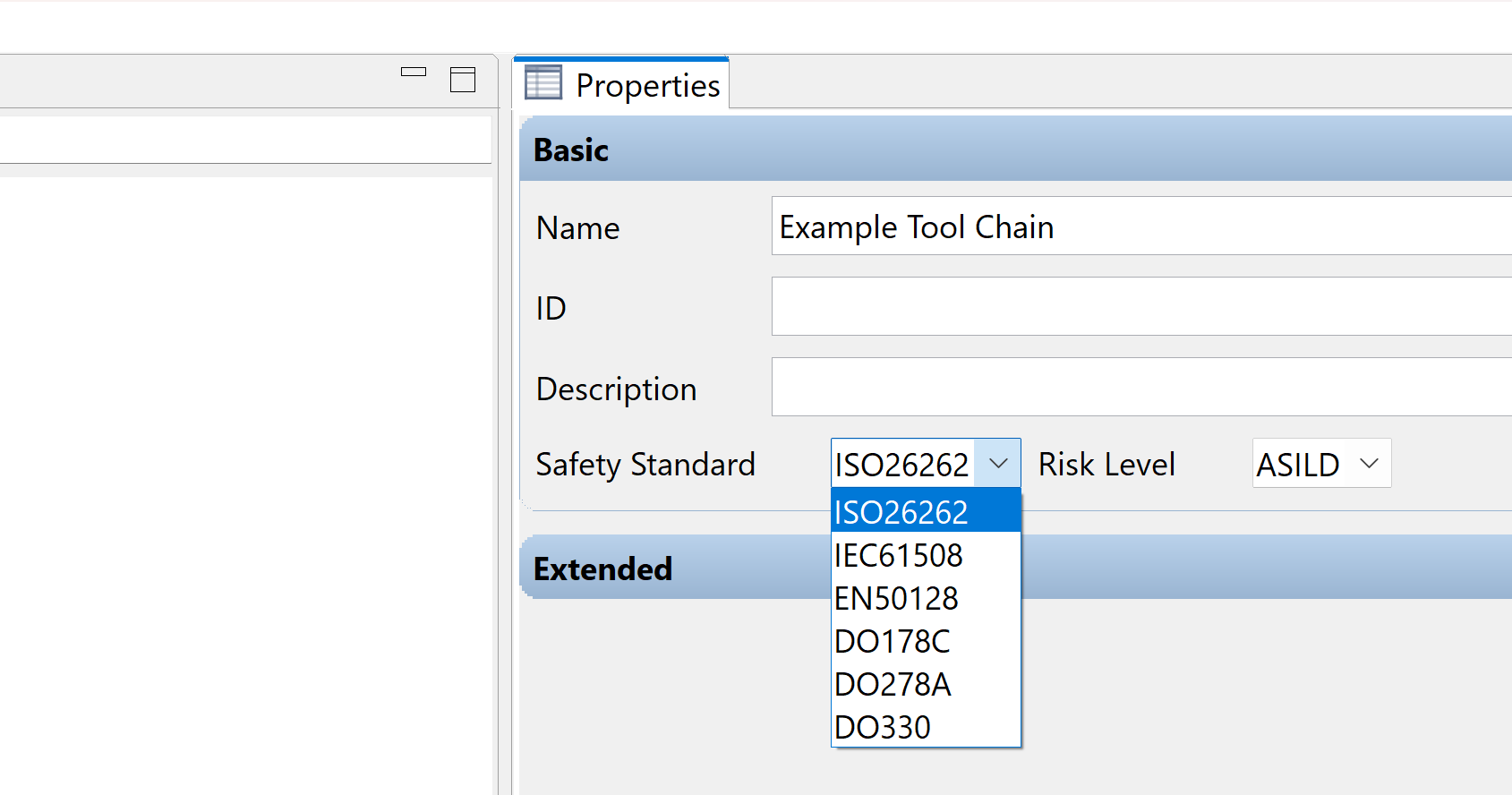
Safety standards such as ISO 26262, IEC 61508, EN 50128/EN 50716, DO‑178C, DO‑330, and DO-278A mandate that all tools involved in development be classified. Compliance can be achieved through formal qualification or by applying defined guidelines that describe how to use the tools safely.
As modern systems grow in complexity, so do the toolchains behind them. This makes it increasingly challenging to gain a clear picture of how these tools interact—and where risks might emerge.
To ensure the safe use of any toolchain, its individual tools must first be evaluated. That means identifying their limitations and classifying them accordingly. This classification depends on how each tool is used within the overall toolchain.
A three‑step model for toolchain transparency and safety
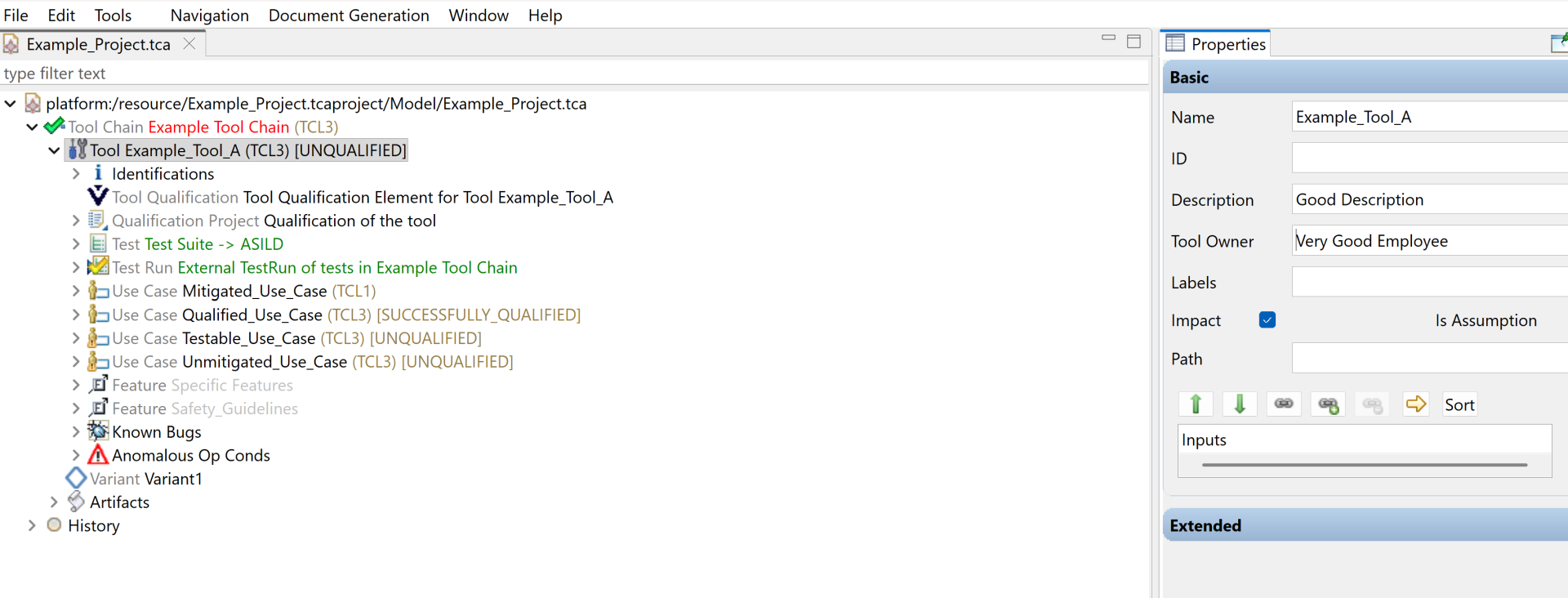
We rely on a model-based approach to systematically analyze, document, and qualify toolchains.
Once the models are created, they are automatically evaluated—for example, by calculating the Tool Confidence Level (TCL) or assessing tool impact. All required documentation can then be generated automatically, including Tool Classification Report, Tool Qualification Report, Tool Safety Manual, and Execution Checklists.
Our support in toolchain analysis
We guide you through every stage of toolchain analysis with services including:
Reach out to our experts to schedule a demo or learn more about Validas’ powerful Toolchain Analyzer.